

Bringing together leaders and innovators, practitioners, policy-makers and researchers from the community, social services and justice sectors and government alike, this conference promises to cast fresh perspectives and provide critical reflection on how we can actively and effectively build paths out of poverty.
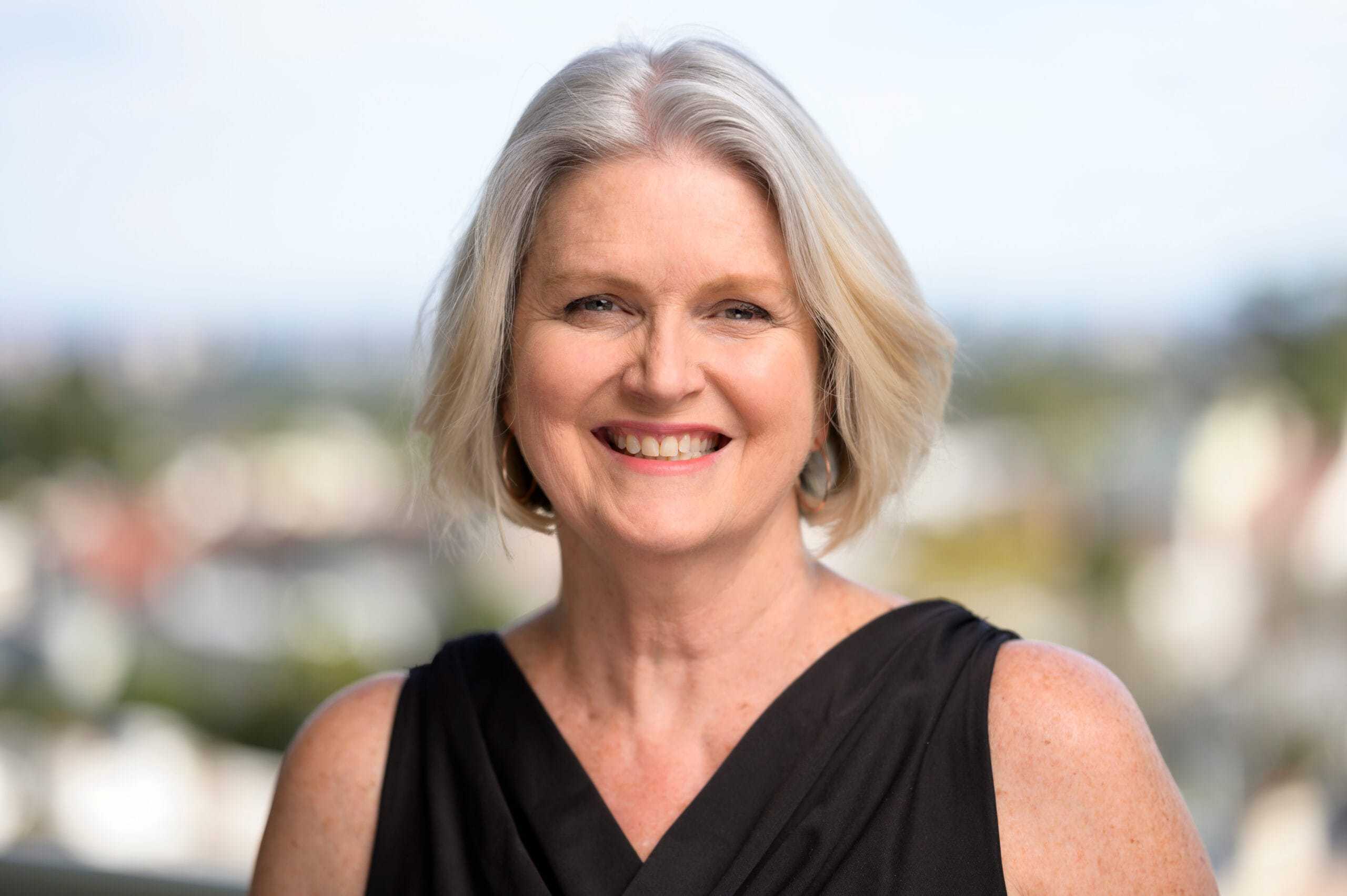
Cassandra Goldie
CEO of ACOSS and Adjunct Professor with UNSW Sydney
With public policy expertise in economic, social and environmental issues, civil society, social justice and human rights, Cassandra has represented the interests of people who are disadvantaged, and civil society generally, in major national and international processes as well as in grassroots communities. Prior to joining ACOSS, Cassandra held senior roles in both the NFP and public sectors, including with the Australian Human Rights Commission, Darwin Community Legal Service and Senior Executive with Legal Aid in Western Australia.
Cassandra has a PhD from UNSW Sydney and a Masters of Law from University College London. She is a Graduate of the Australian Institute of Company Directors and serves on the UNSW Law Advisory Committee, the Australian Climate Roundtable and the Energy Charter Independent Accountability Panel. Cassandra is Co-Chair of the ACOSS and UNSW Sydney Poverty and Inequality Partnership and a member of Chief Executive Women.
Cassandra has been recognised as an Inaugural Westpac/AFR 100 Women of Influence, selected as an AFR/BOSS True Leader, included on AFR’s Annual Overt Power List, recognised as one of Australia’s top 50 Outstanding LGBTI Executives by Deloitte and voted one of the most influential people in the Australian social sector in Pro Bono’s Impact 25 Awards in 2014 and again in 2021, when she also received the 2021 UNSW Alumni Award for Social Impact and Service.
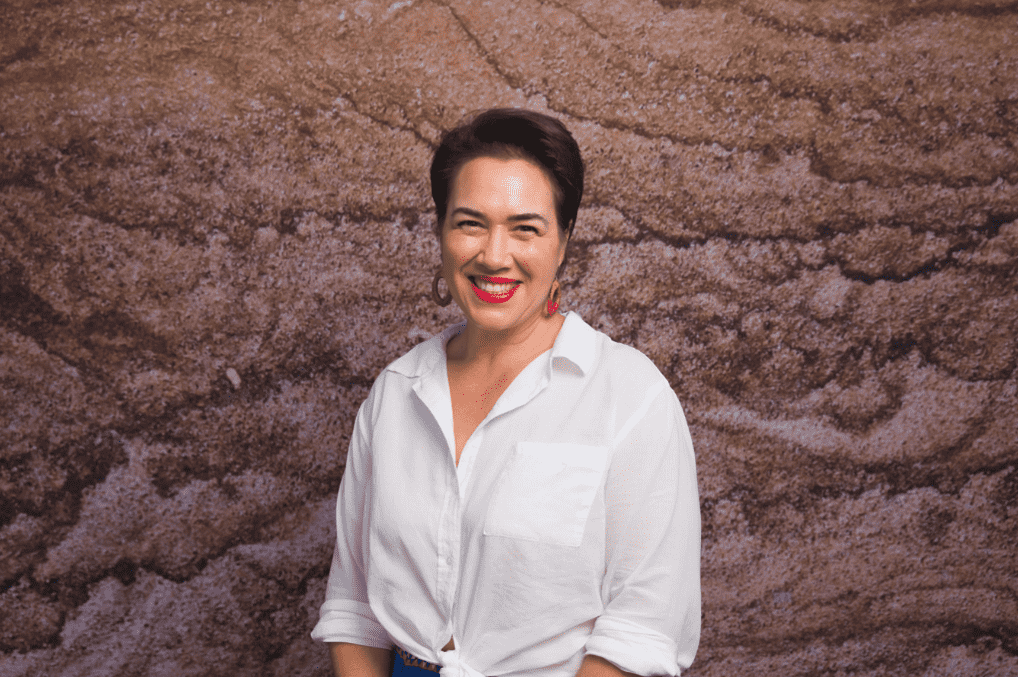
Catherine Liddle
Chief Executive Officer, SNAICC – National Voice for our Children
An Arrernte/Luritja woman from Central Australia, Catherine has been a leading advocate in upholding the rights of Aboriginal and Torres Strait Islander peoples on a national, regional and local level. Catherine has held senior management positions in First Nations organisations including First Nations Media and Jawun Indigenous Corporate Partnerships, as well as within the Northern Territory Education Department, the ABC and NITV/SBS.
A journalist by trade, Catherine’s motivation has always been to drive change that leads to positive outcomes and options for First Nations people. Over the past 10 years she has led multidisciplinary teams, overseen workplace transformations, and advocated for policy reform. Catherine is the CEO for SNAICC – National Voice for our Children, the national non-governmental peak body for Aboriginal and Torres Strait Islander children that works for the fulfilment of the rights of Aboriginal and Torres Strait Islander children, in particular to ensure their safety, development and wellbeing.

Dr Tessa Boyd-Caine
Chief Executive Officer, Health Justice Australia
Tessa was born and grew up on unceded Gadigal land (Sydney), where she lives again after time overseas. She is the founding CEO of Health Justice Australia, established in 2016 as the national centre of excellence for health justice partnership. Originally a criminologist, she has worked in health, criminal justice and human rights organisations in Australia and internationally. She was previously Deputy CEO of the Australian Council of Social Service and was the inaugural Fulbright Professional Scholar in Nonprofit Leadership. Tessa’s PhD looked at the detention and release of mentally disordered offenders. She is a graduate of the Australian Institute of Company Directors and the Deputy Chair of the Board of Gondwana Choirs, the leader in Australian choral performance. She’s on the advisory committees of the ANU’s Menzies Centre for Health Governance, Sydney University’s Institute of Criminology and UNSW’s Social Policy Research Centre. She plays Ultimate Frisbee.
Tessa’s TEDx on health justice partnerships explains why seeing a lawyer might be good for your health and her TEDx on philanthropy through partnership argues against ‘bizsplaining’ and builds on her work as the inaugural Fulbright Professional Scholar in Nonprofit Leadership.
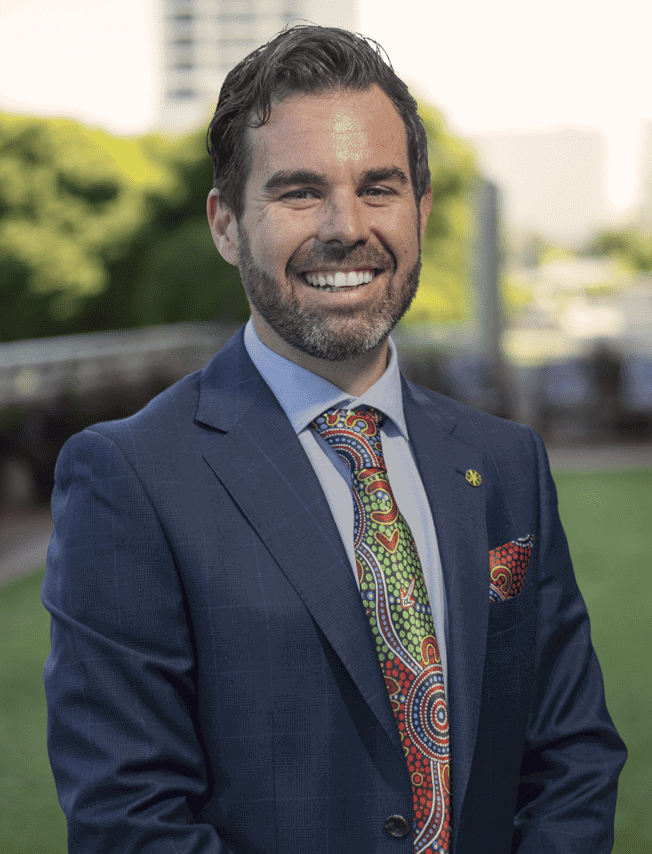
Hon Chansey Paech MLA
NT Attorney-General and Minister for Justice
It was after noticing the lack of diversity on his local council that the Hon Chansey Paech MLA decided to nominate to serve his local community in Central Australia.
The first openly gay Indigenous Member of Parliament in Australia, Chansey was elected to Alice Springs Town Council in 2012 before becoming a member of the Northern Territory Legislative Assembly in 2016; serving as Deputy Speaker and Chairman of Committees.
Addressing the chamber in his maiden parliamentary speech that October he said, “I am young, I am gay, I am Black; a true blue Territorian.”
“I am a proud face of the diversity and future of the great Australian Labor Party.
“[And] I am eternally proud of who I am and where I come from.”
Voted to represent the bush electorate of Gwoja in 2020, Chansey is currently in the third year of a four year term as the Northern Territory’s Minister for Local Government, Minister for Desert Knowledge Australia and Minister for Arts, Culture and Heritage.
In May last year, he also took on the role of Attorney-General and Minister for Justice as well as Minister for Racing, Gaming and Licensing.
Progressive by name and nature, Chansey has long-standing relationships in the Aboriginal community controlled sector in Central Australia and is a tireless campaigner for infrastructure investment, economic development and employment opportunities to retain people in regional, rural and remote areas of the Northern Territory.

Barbara Clifford
Specialising in Time & Stress Managment
Barbara Clifford is a co-founder of The Hinwood Institute and leading expert in Time Management and Stress Management. Barbara has been featured in the Sydney Morning Herald, Australian Woman’s Weekly, ABC National and Westpac Wire for her expertise in these areas. She is a highly experienced coach, international speaker, columnist, facilitator and accredited mediator. Barbara has over 20 years experience working in time precious and stressful industries such as film & television, hospitality and marketing as well as working in the community sector.
At the Hinwood Institute, she equips busy business leaders to make courageous decisions in pressure situations for the long-term benefit of their business, team and personal wellbeing. in 2021 The Hinwood Institute won the “Emerging Exporter Award” for the Chief Minsters Export & Industry Awards. Barbara also works in partnerships with local organisations like the Chamber of Commerce NT and EASA/Corp Workplace Solutions. She lives in the desert of Alice Springs with her family, working with people around the world.
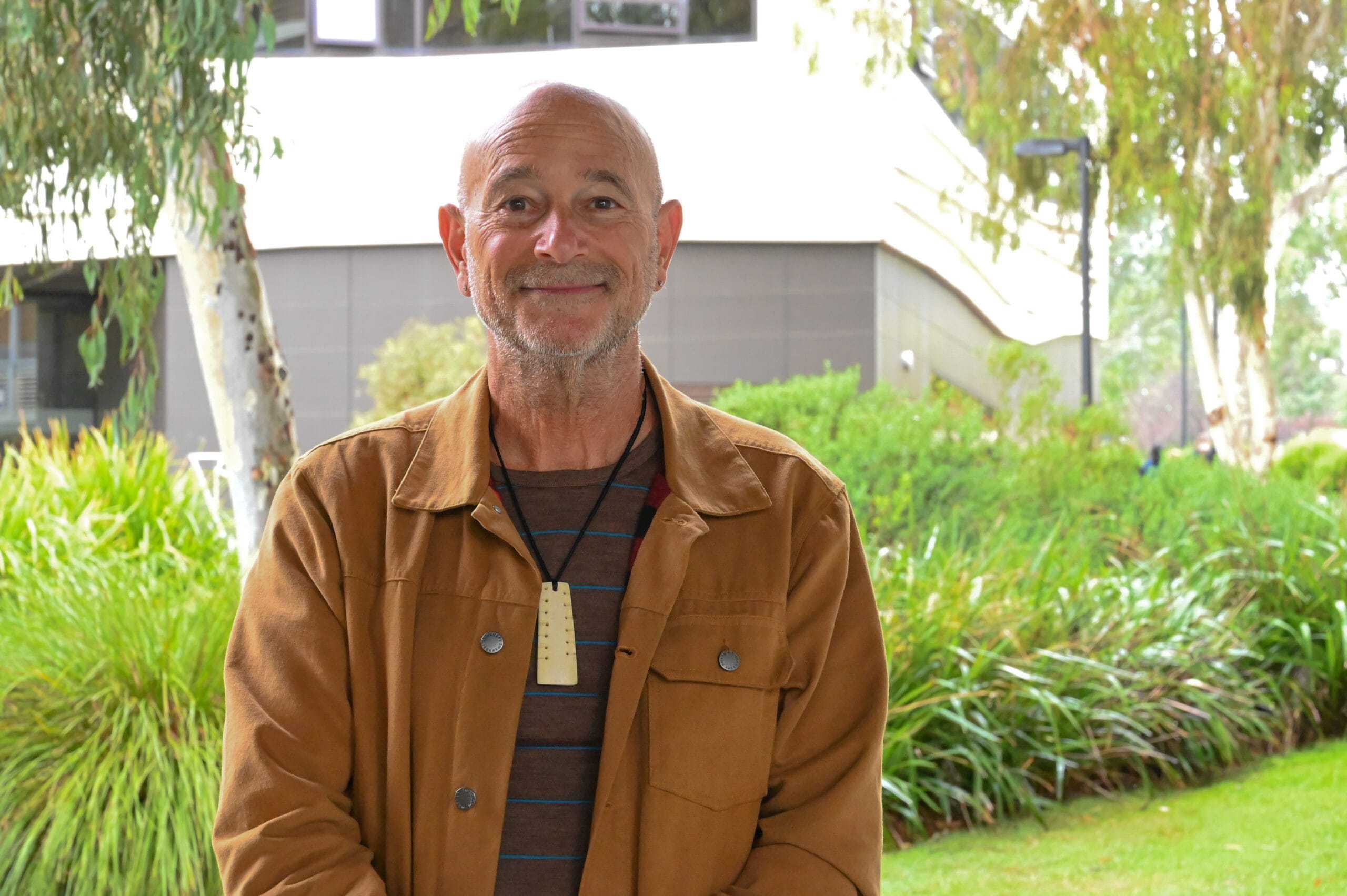
Emeritus Professor Jon Altman
The Australian National University
Jon Altman has worked as an advocacy academic for over 40 years championing the rights of Indigenous Australians to a decent livelihood and lifeway irrespective of where they live. His earliest work as an economist highlighted the unacceptable socioeconomic status of Indigenous Australians nationally.
Much of his subsequent work as an anthropologist, policy analyst and commentator has focused on statistical and field-based research mainly in remote Australia arguing for structural change and policy approaches for appropriate forms of economic development that might deliver robust and sustainable Indigenous livelihoods to combat endemic and widespread poverty. Jon was an outspoken critic of the NT Intervention that has proven to be the policy failure anticipated at its outset.
Alongside his current academic work at the Australian National University and with the Jumbunna Institute at University of Technology Sydney, he works with several not-for-profits including Original Power, the Karrkad-Kanjdji Trust and Uncle Jimmy Thumbs Up; and as a research and policy adviser to the First Nations Clean Energy Network. Historically Jon has worked closely with ACOSS and regularly collaborates with APONT. From 1990–2010 Jon was the foundation director of the Centre for Aboriginal Economic Policy Research at the ANU in Canberra.

Julie U’Ren
Principal Consultant at Julie U’Ren
Julie U’Ren provides external supervision to workers across the NT who are engaged in legal, family violence, mental health, child protection and community work.
With qualifications in social work and education, Julie has over 30 years’ experience as a practitioner and manager in areas as diverse as women’s’ health, sexual assault, housing rights, community development, legal education and training. In the NT she has been engaged in remote adult education, assisted with the Royal Commission into Institutional Responses to Child Sexual Abuse and lectured in Social Work at CDU, Darwin.
Julie is passionate about supporting workers engaged in challenging community work. She has deep respect for the practitioners’ wisdom, values and self-determination. Her work draws extensively on social justice, narrative and strength-based approaches.
Julie is an activist, a grandmother, and a writer, she lives on Larrakia country, with her family and her vocal kelpie.
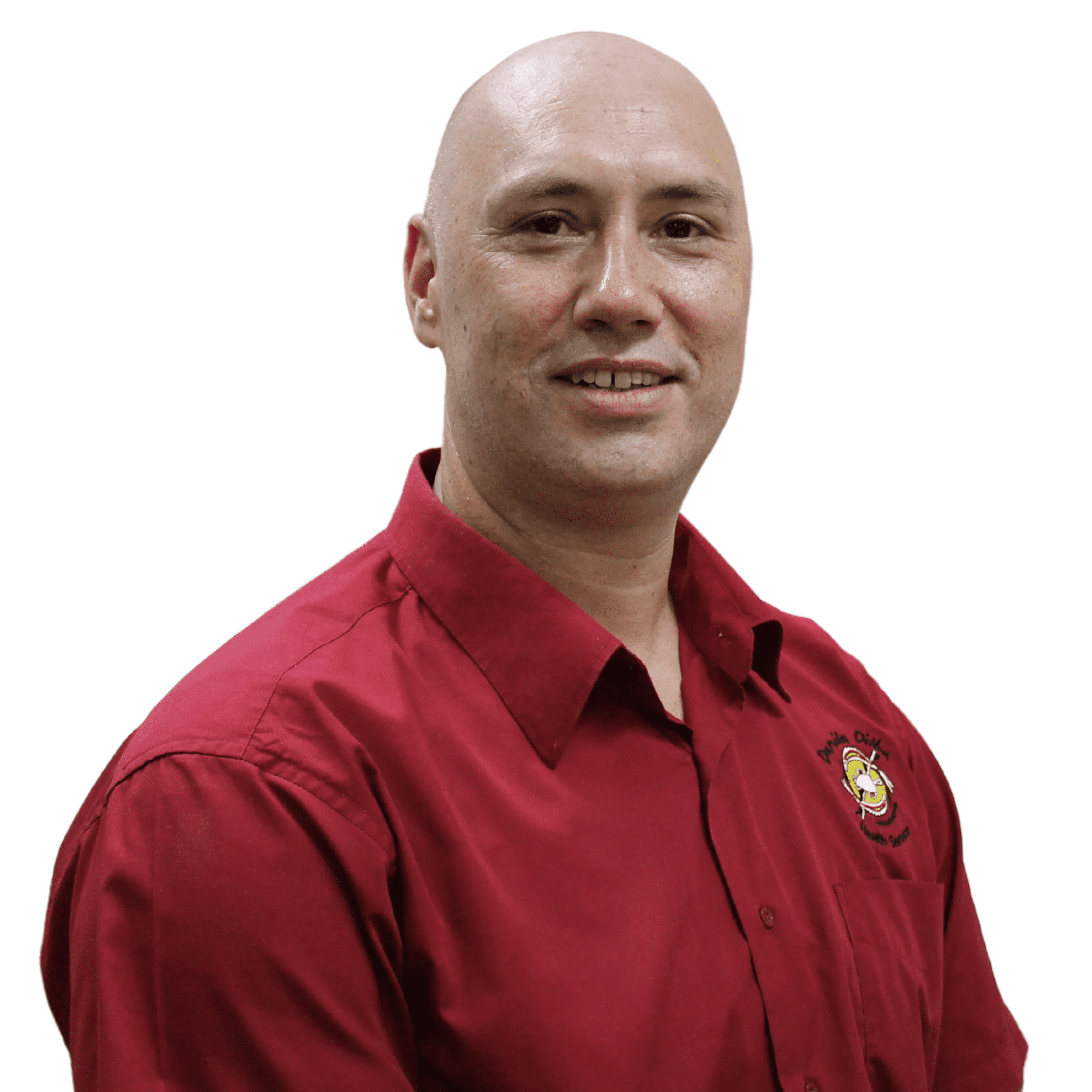
Rob McPhee
CEO at Danila Dilba Health Service in Darwin
Mr Rob McPhee is an Aboriginal man with cultural connections to the Kimberley, Pilbara and Midwest regions of Western Australia. He is the Chief Executive Officer for Danila Dilba Health Service in Darwin. Prior to this, he was Deputy CEO and Chief Operating Officer at Kimberley Aboriginal Medical Services in Broome WA. He is currently Acting Chairperson for the Aboriginal Medical Services Alliance NT (AMSANT), Director of the National Aboriginal Community Controlled Health Organisation (NACCHO) and a member of the NT Children and Families Tripartite Forum.
He has an undergraduate degree in Aboriginal Community Management and Development and a Graduate Certificate in Human Rights.
He is passionate about social justice for Aboriginal people and has spent the past 30 years working in Indigenous affairs. Prior to working in Aboriginal health, he has undertaken roles that include teaching at Curtin University and the University of Western Australia, and as a senior adviser in community relations and Indigenous affairs to the oil and gas industry.
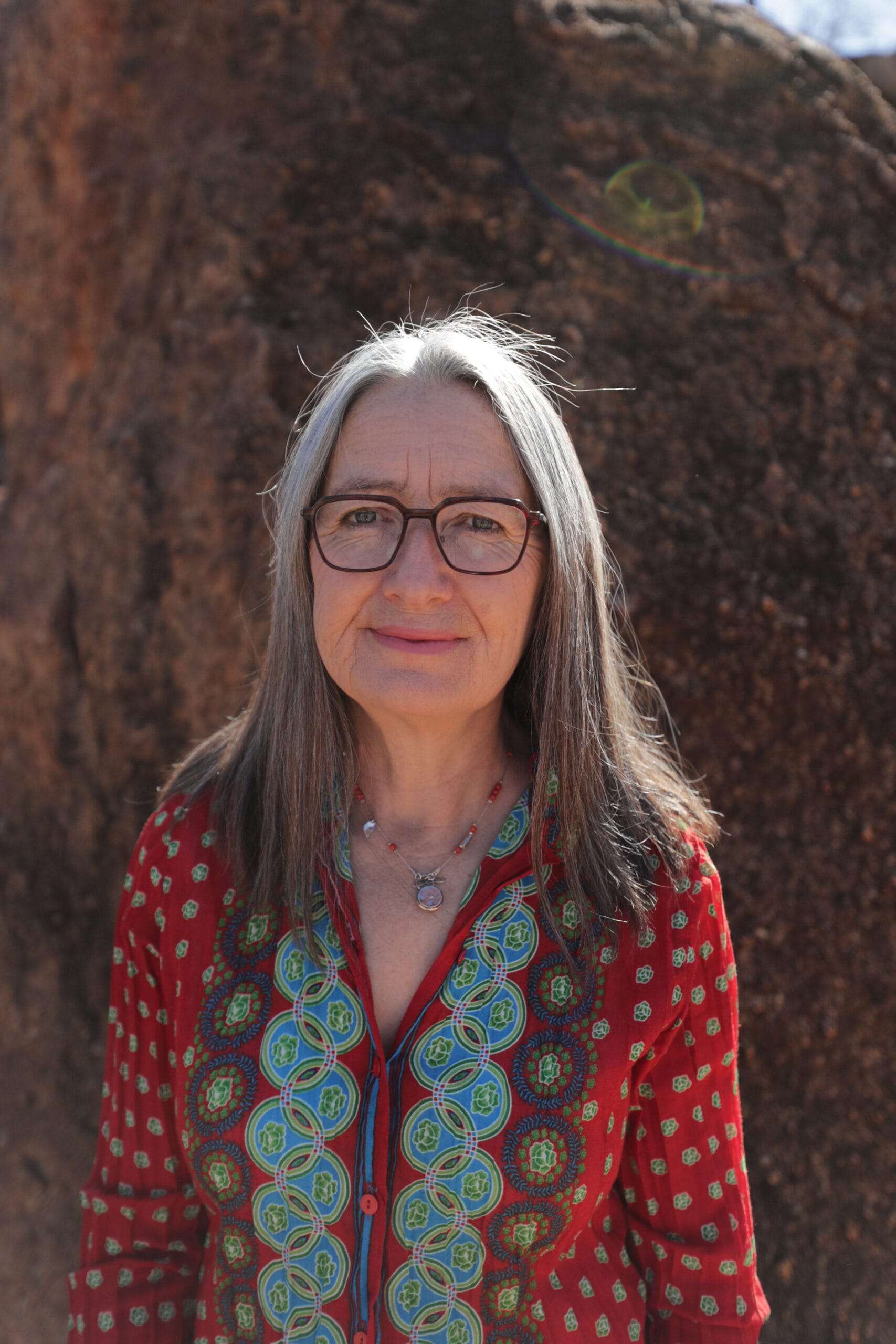
Penelope McDonald
Storyteller and Director of Audrey Napanangka
Penelope McDonald is an award-winning storyteller of screen stories. Based in Mparntwe, her stories stimulate reflection and change. Her most recent documentary Audrey Napanangka was 10 years in the making. It’s distribution and impact campaign commences in late May 2023.
Her career as a filmmaker spans more than 35 years and includes as producer Buckskin, SFF Foxtel Award 2013, My Mother India, SFF Dendy Award 2002, My Mother My Son, My Bed Your Bed SFF 1992, Night Cries Cannes in Competition 1990, and as director Too Many Captain Cooks, Travelling Warlpiris, Kamira: Pina Yanirlipa Ngurrarkurra, and the shorts Life on Earth as I Know It and for television Safe Home.
She has worked with many of Australia’s great First Nations’ storytellers, including Warwick Thornton, Erica Glynn, Rachel Perkins, and Tracey Moffatt.
From 2004 to 2016, she was the inaugural director of the NTG’s agency Screen Territory. During her tenure, she ensured for feature films Sweet County, Rogue, Ten Canoes, Australia, Samson & Delilah, Balibo, Charlie’s Country and Last Cab to Darwin, the television series Double Trouble, 8MMM Aboriginal Radio, and the documentaries Blown Away, Croker Island Exodus, Big Name No Blanket, and the series Yarning Up.

Robert Tickner AO
Chair of the Justice Reform Initiative
Robert served as Federal Minister for Aboriginal and Torres Strait Islander Affairs from 1990-1996 and is Australia’s longest serving Minister of Indigenous Affairs. During his time in that portfolio Robert played a leading role in the passage of the Native Title Act, the initiation of the stolen generations inquiry, the creation of the national land fund and the national response to the Royal Commission into Aboriginal Deaths in Custody. He was responsible for the reconciliation process and the unanimous passage of the reconciliation legislation through the Australian parliament.
Prior to his election to the national parliament Robert worked as a solicitor with the Aboriginal Legal Service in Redfern. After political life Robert was CEO of Australian Red Cross for ten years and acted as the Under Secretary General of the International Red Cross and Red Crescent Federation in Geneva. Robert initiated the Justice Reform Initiative with the help of a group of trusted volunteers and supporters and is the chair of the organisation.

Mindy Sotiri
Executive Director of the Justice Reform Initiative
Dr Mindy Sotiri (BSW, PhD) has worked in criminal justice system settings as an advocate, community sector practitioner, activist, academic, and researcher for more than twenty-five years. During this time, much of her work has been focused on advocacy around decarceration and building sustainable community-based and community led pathways outside of prison settings.
She is the Executive Director of the Justice Reform Initiative, an organisation working to reduce incarceration throughout Australia, and build communities where disadvantage is no longer met with a criminal justice system response.